Saturday, June 8, 2019

8 profitable farming venture on a quarter an acre.

8 Profitable farming ventures on just ¼ acre of land in Uganda.
1) Mushroom farming
Mushroom farming is not very old in Kenya. Cultivation used to be a complex affair but things have been made way simpler for farmers from the numerous research, training, and workshops. There have also been workarounds in the process and introduction of more tolerant varieties like Oyster mushrooms.
They do not require a huge piece of land compared to other crops. A quarter acre of land is enough to have an incubation house and a cropping house. You can make use of the vertical space too since mushrooms don’t grow tall. If you have 1000 bags in one cropping room, you can get close to 2 tons of button mushrooms going at an average of Ugsh 5000/kg. This translates to about Ugsh 10 million. Mushrooms are sold to supermarkets, hotels and households. Recently there has been demand coming from Uganda. The demand is big at 1200 tons a year only half of it is met. Dominance is by large scale producers mainly exporting. With proper marketing, this is one profitable venture and you’ll require less capital in comparison to others.
2) Garlic farming
Garlic is a high-value horticultural crop. It is part of the onion family. Garlic is loved for its flavor in food and health benefits. It does well in its optimum conditions and good care. Garlic takes about 6 months to harvest.
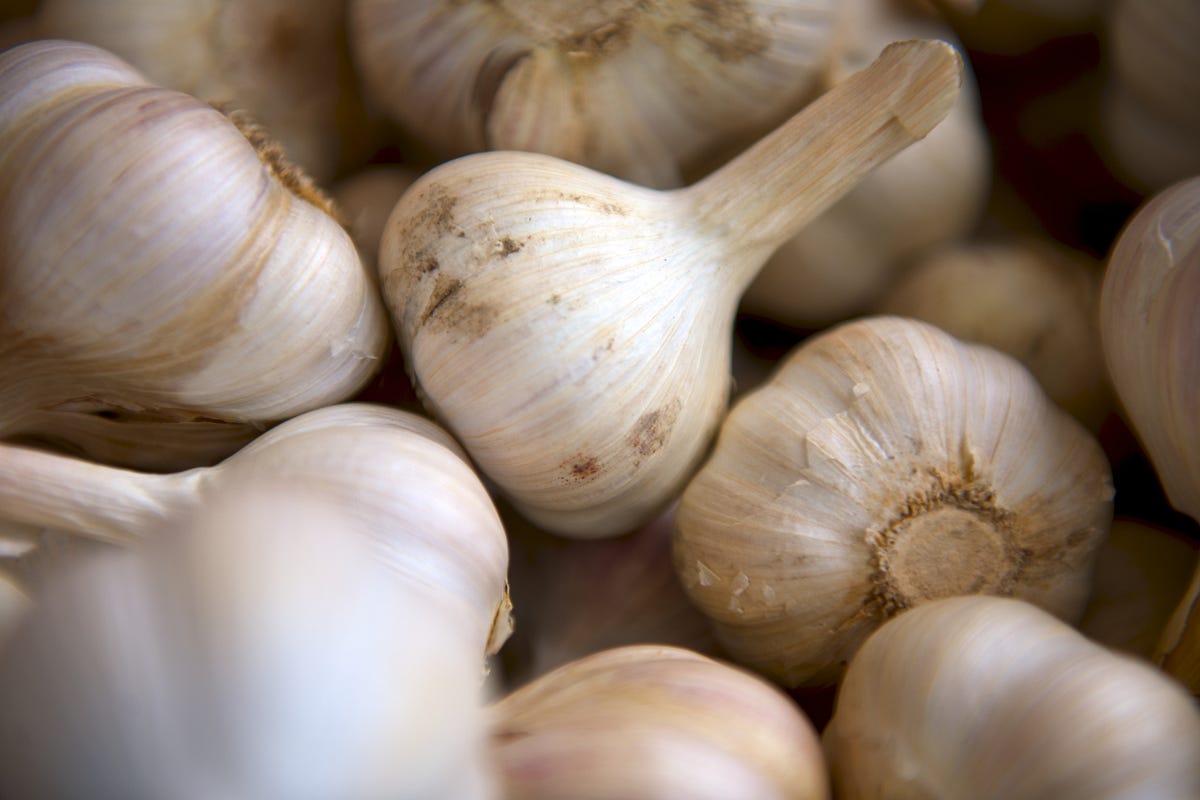


A ¼ acre of land can give you about 800 Kg yield of garlic bulb selling at a farm gate price of around Ug2500/kg. There is demand from both the local and export market.
Garlic requires adequate skills, training, and good research to be successful. You’ll need to understand the local varieties, get certified seeds, good soil, and best environment. Growing organic garlic is preferred especially for the export market.
3) Fish farming
Ugandans used to depend on the lakes and rivers for fish, but not anymore. Commercial fish farming has taken off and these time fish are reared in ponds. The African catfish, Nile perch, tilapia, and the rainbow trout are very popular. It is not hard to start a fish farm if you have the right information.
You can have 100-meter square ponds fit in a quarter acre land for breeding. The main costs in fish farming are; labor, polythene, feeds and the fingerlings. The ponds can also be made of fiber, concrete, and plastic but these will cost more. You need to consider; climate, suitable land, fish species, pond design, feeds and the market. The demand for fish has been going up with more people consuming white meat locally. Fish sells for about Ugsh 3000/kg and for ¼ an acre you can have a few thousands of them. The catfish is fast growing and can weigh over 15kgs. Tilapia can be harvested when they weigh 250g. By use of modern fish farming techniques, production can be maximized.
4) Poultry
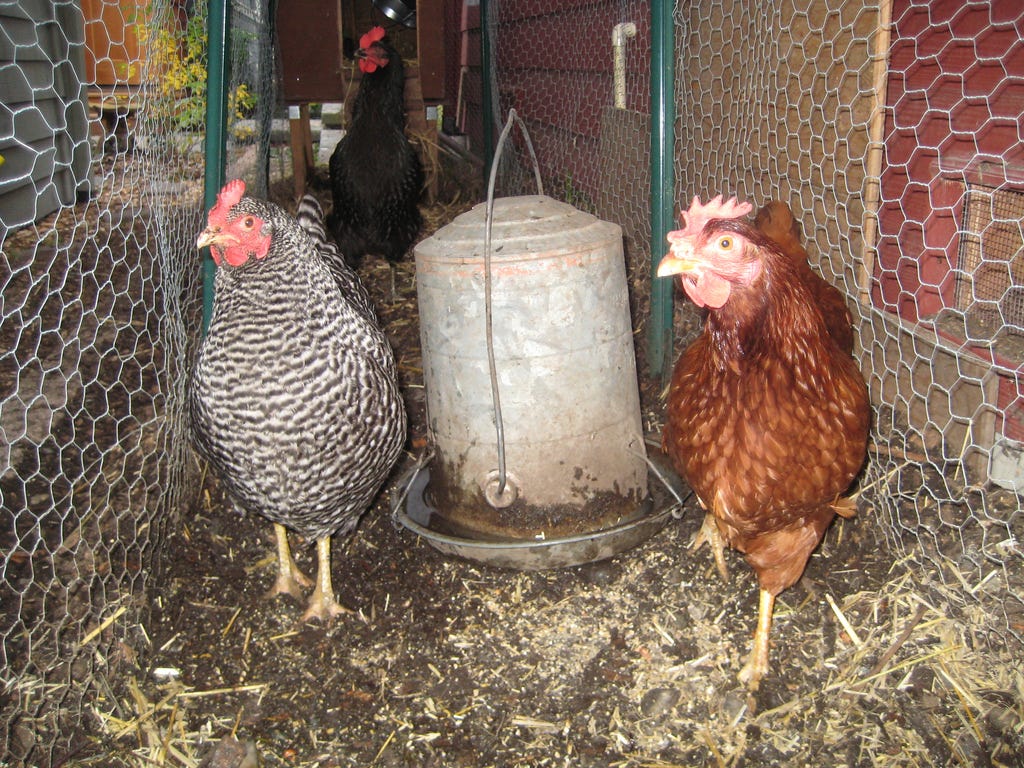


Poultry involves keeping of chicken, which can be; Indigenous, layers, or broilers and these days kroilers are a hot cake. Improved indigenous breeds are also available to farmers. Other birds can also be reared like quail and guinea fowl but chicken is more popular in Uganda taking 98%. Chicken eggs are consumed more than meat in Uganda. Chicken meat has hotels as their biggest market.
The appropriate structures can fit in a ¼ acre and make a profitable business. Make sure the housing is up to recommended standards. There is a need to focus on marketing your products by targeting large hotels, supermarkets, schools, export, etc. The indigenous chicken can be sold for around Ugsh 15000-20.000 in the market.
When doing poultry farming, attention to details and proper knowledge is a must for a successful venture.
5) Passion fruit farming
Passion fruit is becoming one of the biggest fruit exports by Uganda. The local market demand is also quite high. They are consumed fresh or the pulp is used for making juice and other products e.g. yogurt. There are two popular types in Uganda; the purple variety which grows in high altitudes and the yellow variety which has higher yields and is disease resistant.
A ¼ acre can grow about 350 passion plants or more. One plant with good care can produce 10–15 kg of fruits in a year. Passion fruits sell for Ugsh4000–5000/kg while grade 1 for export can go for around Ugsh7000–10.000/kg.
Passion fruit farming has become popular in Uganda. They are mostly are grown in the districts of Mukono, Kayunga, Wakiso in the mountains of Mbale and Kasese. The crop has become of great economic importance in the recent past
The passion plant is a climber; this means there can be creative ways of maximizing on the little space you have.
6) Greenhouse farming

A greenhouse is what some people would call an almost perfect farm. This is because a greenhouse provides a controlled environment that best suits the growth of crops. They are an enclosure in which moisture content and temperatures can be regulated. Your crops are also protected from the outside menace of insects, rodents and other animals. This means greenhouse farmers can farm all year round in and out of season. The most popular greenhouse crops are; courgettes, tomatoes, capsicums, cucumbers, cabbages, and other vegetables which are high-value crops. Yields in a greenhouse are higher compared to open field farming for the same space utilized.
Greenhouses come in different sizes as small as 20M by 6M which you can fit easily on your ¼ acre piece of land. This will cost you around Ugsh5M to Ugsh 7m. The starting capital may look much but considering you will be farming all year round with reduced risks, it’s totally worth it. Before you rush in, plan ahead and consider the full cost of setup, crops you’ll grow and after- sales support from the greenhouse vendor.
7) Dairy farming
Now, dairy farming can be very profitable but there is a certain fear when it comes to keeping dairy cows. It can be done and there are successful farmers making millions out of dairy. Dairy farming can be practiced in both high and low lands. Breeds common in Uganda are; Jersey, Freshman, Ayrshire, Guernsey, and cross breeds not forgetting the local breeds. What you need is patience with your cows, a good setup, good feeds, proper cow management and technical support from a good vet and nutritionist. The feed alone accounts for about 40–60% total cost.
With ¼ an acre, you can keep more than 3 dairy cows. 3 cows producing an average of 30 liters of milk a day can give you Ugsh8.640.00 million in a year selling milk at a price of Ugsh 1.200.
Good breeds will give a farmer 30–50 liters of milk a day. Be very attentive to details when it comes to dairy and gets good support. The demand is there from cooperatives who give low prices but guaranteed. You can also market your milk to other institutions at a better price.
8) Beekeeping 


 Demand for honey and other bee products is high. 80% of Uganda’s land is arid and semi-arid, which makes it perfect for beekeeping and has abundant flora.

Beekeeping requires a small space compared to other crops. You can have 50 colonies of bees in an only ¼ acre of land and the best thing is, it doesn’t need to be fertile or need rain. There are well available beehives that can give you about 9–13 kg of honey per harvest and can be harvested 6–10 times a year.
Keeping bees is actually cheaper in terms of labor and is less competitive bearing in mind it doesn’t compete for the same resources with other types of farming.
A quarter acre of land can do much when it comes to farming, so don’t limit yourself and start small.

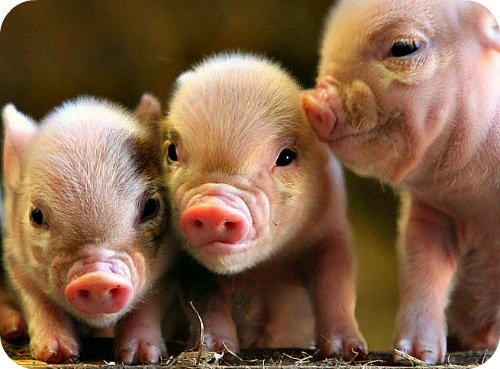
9 reasons Pig Farming could be good Business for you


9 reasons Pig Farming could be good Business for you in Uganda


So why would you zero down on piggery and leave other domestic animals aside...?
Well, consider the points below so you can Know that you've made the right decision to start planning a Pig Farming Business:
    Pig Production Business Guide
  1. The pig has a high feed conversion efficiency and as such produces more live weight gain from a given weight of feed than any other class of meat producing animal, the big comes second only to the Broiler Chicken
  2. The Pig is able to utilize a wide variety of foodstuff like Grains, forages, and converts them into valuable nutritious meat. Feeding your pig on damaged grains and other leftovers reduce the stress of buying foodstuff and consequently you will spend less or no money on food, depending on the system you adopt.
  3. Pigs are comparatively very fertile having a short generation interval; a female pig/sow reaches maturity as early as 8-9 months when she can start breeding. In one year your pig can produce/farrow twice, producing 8-12 piglets each time.
  4. You will invest relatively small on Buildings and farm equipment when starting your pig Production Business.
  5. You will comparatively yield more meat from a pig than other animals in terms of dressing percentage; you could easily get 65-80 percent meat from a pig and yet with other livestock, your dressing yield would not exceed 65 percent.
  6. The pork itself is very nutritious meat with high fat and low water content and has got better energy value than that of other meats. The meat is rich in vitamins like thiamin, Niacin, and riboflavin. Your pig production business can thus be used to fight malnutrition a well.
  7. You can use the pig manure from your farm as a fertilizer for plants and fish ponds
  8. Pigs store fat rapidly for which there is an increasing demand from poultry feeds, soap, paints, and other chemical industries.
  9. Your pig farming business could provide quick returns since you can achieve the Marketable weight of fattening pigs within a period of 6-8 months.
  • As I mentioned earlier, there is currently a good demand for Pig Farming products from both the domestic and export markets.

Identify the good Pig breeds for your commercial farm

Use this section to identify the breeds you will take to your commercial piggery unit.
Large white: You will identify this breed by its distinguished erect ears and a slightly dished face. The body is long with excellent hams and fine hair. This breed is very prolific with good mothering ability and can be used for pork and bacon production.
Landrace: You will identify this pig breed by its white color, dropping ears and a straight snout. Sows produce and rear litters of piglets with very good daily gain and high lean meat content ideal for pork and bacon.
Duroc: You will identify this pig breed by its golden brown to black color with a thick aubum coat and hard skin. Ears are relatively small and slightly dropping. Traditionally the Durocs have been used as terminal sires, characterized by quick growth, deep body, broad ham, and shoulder. The Duroc is good at looking after its young and as such is a good breed for outdoor piggery. This pig breed is very suitable for anything from light pock to heavy pig production.
Hampshire: Developed in the USA and now one of the world's most important pig breeds. Extensively used as the sire of crossbred pigs for pork and bacon production. A very prolific pig breed. Produces lean meat in abundance and comparatively produces more meat than Large White and Landrace breeds.
Combrough: Commonly imported from South Africa, grow fast, have considerably less fat and the females are great mothers who don't lose their babies. They feed babies well and have enough milk. Give birth to an average of 14 piglets, 3 times a year. Can be resistant to disease when managed well.
And now you know which breed to ask for next time you go to buy piglets for your farm!
You can make an order for pigs, pig products, farm supplies and advisory services here.

So which Pig Farming System should you deploy?

Depending on the amount of capital you can afford to invest on your pig farm; you will have to choose one of these three (3) Pig farming systems.

Free range/scavenging pig keeping: a less extensive system that would provide your household with an emergency fund to fall back to while supplying some little meat from time to time. This is the system you will deploy with little investment of time and money.
Semi-Intensive pig keeping: you will use this system when you want to keep your pigs in a house and pay good attention to health and feeding. Production is higher and the pigs are also marketed. This system is commonly used by medium scale pig farmers in Uganda.
Intensive pig keeping: you will deploy this system when you want to produce meat efficiently for the market and for profit, usually in large numbers. You will have to invest significant time and money and carefully calculate your costs and resulting benefits. Be ready to invest in modern housing and on pig requirements for health and feeding.

Further to the above pig farming systems, you have to decide on a Pig Production System strategy.

Farrow to Wean: here you keep a parent stock of pigs and which give birth to piglets. Once the piglets are born, you rare them up to weaning and sell to growers and fatteners. You sell piglets only.
Farrow to Finish: here you raise piglets, wean them, grow them and fatten them in one unit. You sell pork and live pigs to slaughterhouses. Adopt this strategy if you have no market for piglets in your locality.
Fattening: Here you do not keep any parents on your farm. You continuously buy piglets and grow them for pork.
 How to work around the business numbers for your Piggery Unit

Just like any other business, you have to plan before you seek to start up your pig farm business. Whereas today we have increasing markets and prices for pig and pig products, we're increasingly facing high costs of production that could eat into your profits if we do not carefully plan for these costs.
No matter what system of production you choose to adopt, commercial pig production is highly profitable if proper husbandry is followed.
The following assumptions will help you project your business profitability as an average farmer:
  • a Piglet at 2 months, average weight 12Kg
  • Pig Average Weight Gain (ADG) per day is 0.607Kg
  • Breeding pigs are capable of producing 2 litters per year
  • Based on a service/gestation/farrowing/weaning/recovery cycle of 183 Days, each female pig could produce 20 piglets per year.

Factors that will affect your Pig Farm Profitability
Feed Conversion Ratio (FCR): or Feed Conversion Efficiency (FCE): is the measure of a pig's efficiency in converting feed mass into increased body mass. Specifically, FCR is the mass of the food eaten divided by the body mass gain, all over a specified period. Animal breeds with low FCR are considered efficient users of feed.
Average Daily Gain (ADG): is a significant factor in assessing growth rates in most food animal species. Your aim is that you keep a pig that grows faster so that you can achieve market weights in the shortest period of time using the least amount of input/cost so that you receive the highest profit. In pig production, the most cost-efficient feed conversion and the highest average daily gain are the primary factors determining the efficiency of production.
Health: poor health will up the feed conversion ratio and reduce the average daily gain. Diseases like African Swine Fever (ASF) can wipe away all your pigs and cause a massive loss.
Genetics: The current market demands leaner carcasses, so you should strive to produce leaner pigs, animals with a high growth rate, larger litter size, high heritability, and low conversion ratio. All these are directly influenced by genetics.
Reproduction: a poor selection of the breeding stock and choice of a boar or artificial inseminate will directly affect your pig farming business profits.
Market and price: the market for pigs and pork is wide but has no importance before you identify your own market and the price it offers.
For the case of Uganda, pig production has become increasingly important; evidenced by the change in pig population from 0.19 to 3.2 million. In 2011, Uganda had the highest per capita consumption of pork in sub-Saharan Africa at 3.4kg/person/year.
We have many butchers, restaurants, hotels, and supermarkets establishing today with pork on their menu both in Urban and rural areas. Pork is a delicacy to many Ugandans and largely considered social meat that cannot miss on several parties organized by non- Muslim communities. Pork joints have also become meeting places for groups of people who want to eat meat. Unlike other meats, many pork consumers in Uganda prefer eating close to a kilogram of pork each time they meat at pork joint!
 Costs: Items you will have to spend money on, when establishing your Pig Farming Business
Fixed Costs: you will incur these before you start any production. They remain the same irrespective of any production increases or decreases and include: Building costs, Purchase/construction of feed troughs, Purchases or replacement of breeding stock, and Purchase of land.
Variable Costs: costs that will change in proportion to your production levels including Veterinary costs, stationery, transport, Maintenace of facilities, Marketing costs, wages and salaries, and losses due to mortalities.
Income: The sources from which your business expects money to come from will also affect your profits. Your Pig Farming Business could expect to make money from the sale of Weaners, Porkers and baconers, cull boars and sows, breeding boars and sows ,as well as the sale of Manure.
Profits: This is the difference between your costs and income. The costs should include labor and any possible risk in your business. The most expensive input in pig production is feeding because it consumes between 60 to 80% of the total production costs. You have to implement strategies that will reduce the input costs in your business.

Friday, June 7, 2019

African Business Institute is giving free business scholarships :UCU Alumni are among the beneficiaries


African Business Institute 


We are proud to partner with, and offer UShs 1,095,000/= scholarships to:-
1. Watoto Church members through the Marketplace Ministries
2. UCU alumni through UCU Alumni Association
3: Business Development Center Alumni

APPLY BEFORE June 30th
Call: 0703485201/0772387987
WhatsApp: 0772387987
Email: info@africanbusiness.institute

More About African Business Institute

The ABI post graduate program is specifically designed for 21st century Africa, where what society needs is more job-creators rather than job-seekers.

ABI's business school offers an accredited one-year program that confers a post-graduate diploma in business administration, with a strong focus on entrepreneurship

Designed to be relentlessly practical, the business course innovatively combines MBA-level business lectures delivered by professors from some of the world's top universities with interactive workshops, live projects, and high-quality internships. This provides students with, not merely an education, but a tangible doorway into the real world of business and entrepreneurship.

Methods and techniques of rices cultivation in Uganda

Rice growing in Uganda


Factor for a profitable farm. Know how you can make your farm profitable

 Farm Management 
The 3 Most Important Factors for a Profitable Farm
profitable farmRegardless of how you grow, the profitability of your farm will depend on three main factors: demand, viability, and profit margin. Lots of new farmers focus the majority of their efforts on their ability to grow a single crop and forget to do research on the other factors. In this article, learn how to appropriately address questions like the following:

  1. What can you sell a lot of? 
  2. What does your market want?
  3. What are you good at growing?
  4. What has a good profit margin?

For a profitable farm, you must consider all three. Let’s start with how you know you can sell something well.

What can you sell a lot of?
This is the most important thing: if people don’t want it, you won’t make money off of it. It may seem obvious, but it’s easy to get excited and overlook the importance of demand.

Imagine that you’ve just invested a lot of money in starting up a farm. You’ve tried a few different crops but discovered that you’ve been able to grow cilantro especially well. Since you can grow it so successfully, you decided to overhaul your whole farm and plant tons of cilantro. Then you discover that your market does not want to buy cilantro. Now, your whole farm is taken up by rows and rows of cilantro, and you’ve got nothing to do with it. You’re out of money and have no way to make it back.

This is why market research is so crucial. You need to know what people will buy from you not just once, but many times. You also need to know how much they want to consume on a regular basis so you don’t end up with a lot of wasted produce. This is called market volume. Aim for high market volume—lots of people want to consume lots of what you’re growing.

But market research isn’t just looking at numbers. Spend a little bit of time talking to buyers and looking at what other people are growing. Is there a gap you could fill with your unique product? Could you alleviate customers’ pain points by offering a better product at a better price? Take the Market Research for Farmers course to learn more about effective strategies.
In addition to high market volume, you want to choose a product that has low supply competition. If everybody grows cilantro and sells it at the market, you probably don’t want to depend on cilantro for the success of your farm, even if you can grow it well.
Insider tip: Wholesale retailers—think grocery stores and restaurants—are great places to find information on demand because they’ll have consistent records where you can get an idea of what they’ve had success with in the past. This information is slightly more difficult to find in something like a farmers’ market, where different vendors will have different experiences based on a variety of factors.
Low supply competition means that there are fewer people in your area growing it. This leads us to what you can grow well.
What can you grow well?
In your particular climate, with your particular capabilities, what grows best? Are you good at it? Do you understand it well? Are you excited about it?

Now that you know what people want, you’ll need to successfully execute production. Say you find out that the market in your area has a high demand for spinach. You figure it’s a pretty good bet, and throw everything you’ve got into growing spinach but you just cannot get the little buggers to grow. You are not going to make money.

You won’t know what you’re good at growing—or even if you like it—until you give it a try. You will likely experience some error, so when you’re starting out keep it fairly small in order to minimize cost and risk.

That said, this type of success isn’t just dependent on your personal farming abilities. It will largely be influenced by where you farm, what type of farm environment you have, and what type of system you’re growing in.

Additional factors to consider are the costs and resources that are available to you. Do you have affordable access to the resources you need to build a successful farm? Unreliable or inconsistent availability of resources—like nutrients, plugs, and system repair parts—can throw a wrench in your production as well as your relationships with your customers.

Even if you can get reliable access, think about the total cost. Whether or not you have great profitability, you’ll still need to make sure your costs are as low as possible.

Finally, if you don’t like doing it, even if all the other factors are there, it’s possible that you won’t do it well. Find something that you enjoy!
What has a good profit margin?
First of all, what is profit margin?
Profit margin is the money you have left over after you pay to cover all of your costs. Some crops can provide better profit margins than others. Think of it this way:
When you set up a farm, you pay capital expenses (CapEx) to acquire all of your system components, like media, lights, and structural components. Then, when your farm is running, you have operating expenses (OpEx) like water, electricity, and nutrients. The CapEx plus the OpEx is what you pay to create your product (the plants). You then sell the product, and the money you receive in return should be a larger amount than what you originally paid. The difference (what you sold your product for minus what you paid to create it) is your profit margin. Ideally, you have a positive profit margin.

During your market research process, you should also consider discovering what the possible profit margins are for a variety of crops. Research the nutrient and water demand of the crop in addition to the market demand.
Essentially, you want a crop that is cheap to produce, but that people will pay more for. Fortunately, being a hydroponic or aquaponic grower gives you a unique advantage because your product is likely higher in quality than what your customers have had previously.
All of your profit margins contribute to your net profit, which is the total amount of money you’ll keep as a result of your sales. Much of the profit you make from selling your produce will need to be put back into your farm to keep it running and producing.

Business is about trade-offs and compromises, and you get to play the exciting game of finding the most profitable compromise for your business. For example, you could grow and sell a high volume of produce at a lower price, or more specialized produce at lower volumes and higher prices.
There are ways to make all of these cases work, and it will depend on your business model.
profitable farm
Decide based on your business model

Different markets and market types will provide different pros and cons when it comes to profit margin. Think carefully about the trade-offs between high volume versus high prices, and do your research—which works best for you?

Making decisions
If you do decide to focus your farming efforts on a single crop, ensure that:
  • your market wants it,
  • that you can grow it well,
  • and that you can make money off it.

Say you discover that you are really good at growing hydroponic cucumbers, for example, and you have a lot of market demand for them. You may be able to get away with only growing and selling cucumbers. While these are three critical decisions that can lead your farm to profitable success, there are other factors you’ll need to consider as well, such as inputs, seasons, and environmental controls.

Powered by BSMR MILLENNIUM CONSULTS UG LTD


Email: Email Us or Visit Facebook Page

Thursday, June 6, 2019

Reason why you should think twice before you start rearing pigs for commercial purposes. Breads matter a lot

Why pig breeds matter in the market

Commercial piggery requires keeping pigs with known history of performance in daily weight gain, feed conversion, litter size, environment adaptability, temperament, meat quality, average daily gain

IN SUMMARY

In commercial pig production, the choice of breeds is one of the most important elements to consider, writes Christopher Mulindwa.

Commercial piggery requires keeping pigs with known history of performance in daily weight gain, feed conversion, litter size, environment adaptability, temperament, meat quality, average daily gain and the possibility to pass them to future generations.

Market preference should also be one of the most important factors to consider when choosing a pig. Therefore careful choice of breeds is vital for a profitable business operation.

The continuity of profitable pig farming largely depends on the ability of farmers to reduce chances of inbreeding and implementation of sustainable genetic improvement plans. 
There are several breeds of pigs in the world. Here are the available and more preferred in Uganda.

Large White: These are distinguished by their erect ears and slightly dished faces. They are long-bodied with excellent hams and fine white hair. Prolific, late maturing with good mothering ability and can be used for pork and bacon production. They are fairly hardy animals. Large white are found practically in all crossbreeding and rotational breeding programmes. Sows have an enviable reputation as dams and form the foundation of the classic F1 hybrid gilt. They are one of the favourite breeds in the country though have not been put to proper use due to lack of the art of pig breeding.

Landrace: It is a versatile breed performing well under good management. They are white in colour, have drooping ears and a straight snout. Sows produce and rear large litters of piglets with good daily gain and high lean meat content ideal for pork production.

I Durocs: They are golden brown to black in colour with a thick coat and hard skin. They have small, slightly drooping ears. Traditionally, Durocs have been used as terminal sires (traits are quick growth, deep body, broad ham and shoulder). Its tenacity in looking after its young, combined with its docility between times, makes it an ideal candidate for an outdoor pig either as a sire or as a dam. Its succulent carcass and heavy muscling makes it a suitable pig for anything from light pork to heavy pig production.

Hampshire: The breed has been developed in US and is now one of the world’s most important breeds. It is used extensively as the sire of cross-bred pigs for pork production. The Hampshire is very prolific. It produces an abundance of lean meat and has more meat than the Large White or Landrace. Hampshires have erect ears and black with a belt through the girth—a strip of white across the shoulders that cover the front legs around the body.

Camboroughs: They are a product of a cross-breeding system known as criss-crossing—an alternated use of boars of two or more breeds on the female stock produced in a herd. This distributes good characteristics from many different breed lines involved and these are related to meat fat distribution (carcass quality), disease resistance, larger litter size and others. The animal is usually white in colour but, in rare cases, may show characteristics of particular breeds involved in the criss-crossing. The breed is preferred by many Ugandans.

Generally, the prices cut across all these breeds depending on age: Two months (Shs150,000) three months (Shs300,000) four months (Shs400,000) five months (Shs500,000) six months (Shs600,000) pregnant sows and boars ready to serve (Shs900,000).

Principles of pig breeding 
The main objective in the selection of a breeding pig is to produce large number of litters of fast-growing pigs, which are capable of being fattened to marketable weight at the age of six months that is 90 to 120 kilogrammes with fair distribution of meat and fat on slaughter.
While selecting a pig for breeding, the principle considerations are:

Type of appearance; Before selection, one should have a clear picture of the appearance of desirable type of pig for breeding and this includes general form and conformation and breed type, size or weight for age, strength of feet and legs, development of high priced regions, that is, the back and loin, teat development and performance ability.

Performance ability: Productive ability of a gilt or sow is an important factor in its selection. Sows with higher litter number and weight should be selected. 
A good to excellent level of performance for a gilt first litter is eight or more piglets and, in the case of sow, not less than 10 piglets.

Pedigree; Pigs should be selected from a herd, which has a good pedigree record. These pedigree records provide us with all kinds of information like birth, number of animals in each of the several generations name of the breeder, etc. Selecting pigs from farms where record keeping is poor must be avoided.

Transmitting ability or prepotency, an important test of a boar, gilt or sow as a breeding animal is how well it transmits good characters to its offspring. 
A gilt or sow that transmits desired characters to her offspring in a steady manner is said to be highly pre-potent. If a gilt or sow possesses a dominant nature in most of the important genetic traits, such an animal should be selected. 
Note: This can only be properly analysed when proper farm records are available.

Health, the boar, gilt or sow selected should be healthy; the farm must be implementing proper bio-security and not located in an area under quarantine. The farm environment must be ideal for survival of a normal animal.

Reliability of the breeder, the person from whom you are selecting the pig for breeding should be truthful and reliable. 
He/she should give accurate information on litter size and weights as well as on litter-mates and parents, which depends on the honesty and dependability of the breeder.

Price, price is an important factor in selecting a boar, gilt or sow. One should make sure to get good yield for the money spent. 
He should buy a good and healthy pig for breeding, even though if he/she has to spend a little more.

NOTE
Pig breeding is a scientific practice aimed at genetic improvement through successive generations by planned reproduction.
Successful breeding is an art accomplished by only a few. A successful breeder should have adequate knowledge of various qualities and capabilities of different breeds.

Factors for reproduction in pigs

The age at puberty varies from four to eight months; gilts have their first heat cycle in six to seven months but is better to serve them at the second cycle. Boars attain puberty in seven to eight months. These should be allowed to mount from the ninth month. Attainment of puberty also depends upon breed and environment.

Reproductive cycle denotes to estrous cycle, which is averagely 21 days but can be 18 days in some sows and gilts. The cycle is divided into four different phases and the breeders are mostly concerned with this phase since this is the sexually receptive period in all kinds of animals. It is important to be able to recognise the estrus 
The average gestation period of sows is 114 days; more commonly spoken as three months, three weeks, three days. The period may vary from 108 to 124 days.

Giving birth to piglets is known as farrowing. Pigs normally farrow at night, the last part of night or at dawn. The day before farrowing the vulva starts swelling and edematous, udder is fully developed and the number of teats is developed normally according to the size of the litter. The pigs show restlessness, lose appetite, sit idle and thereby giving pressure over the vulva. They prepare their bed for farrowing if they are provided with straws, which are tender and dried. Farrowing normally completes in half an hour but may take longer.

Breeding after farrowing, Sows should not be bred a few days of weaning if their body condition score is very poor although they come into heat during this time. Piglets can be weaned as earlier as four weeks incase creep feed is available or eight weeks in its absence. After five to nine days of weaning on average after seven days, sows come into heat. The farm manager may decide on whether to rest it until the next cycle or inseminate depending on body condition and management during lactation

Subscribe to more of these articles and receive them directly into your mail. Visit our Facebook page @ www.facebook.com/BsmrMillenniumConsultsUgLtd 

Wednesday, June 5, 2019

Tomato growing business, a gold mine in Uganda. Get the agronomic tips and get profits

How to grow TOMATOES in Uganda Tomatoes in Uganda Tomatoes in Uganda
Tomato is a vegetable of the solanaceae family locally know as “Enyanya” in luganda. The vegetable is one of the most popular vegetable grown by man. The crop is mainly grown in the Victoria basin in Uganda due to its particularness to soils and the environmental conditions. 
  Common Tomato varieties grown in Uganda The choice of a Tomato cultivar is based on fruit quality, adaptability and reliability, susceptibility to diseases and pests. Varieties include - Money maker, Bonny Best, Marglobe ,Rio Grande ,Tengeru 97, Amateur Rodade, Heinz, New fortune maker F1.
Tomato growing Soil requirements 

Tomatoes give good results when grown in well managed sandy loams and heavy clay loam free of hard pan. Best results are obtained in deep, well drained loams. The soil should be rich in organic matter and plant nutrients, with a pH value of 6 to 7. How to propagate Tomatoes in your garden Tomatoes are best brought up using seeds. 
  How to Plant Tomatoes in Uganda
Tomato staking

Make a square portion of a raised site meant for a bed, and then make a fine tilth. Incorporate in manure or potting agents like biochar to enhance the nutrients. Broadcast the seeds on the bed and lightly cover with soil. Seedlings are usually ready for transplanting 3-4 weeks after sowing, and they must be transplanted on moist soil. Seedbeds should be irrigated after sowing and it should be done regularly until seedlings reach a height of 5 to 7 cm. Fertilization; Tomatoes are heavy feeders of plant nutrients including nitrogen, phosphorus, and potassium. The plant responds well to organic fertilizers too. Weed control; these can be controlled chemically or mechanically. The Chemical commonly used to control weeds is “weed master”, alternatively hand hoes can be used to shallowly plough off the weeds. Pruning; this practice influences the flowering and fruiting of tomato plants. Prune plants by pinching off lateral branches as they appear in the leaf axils.
  Mulching; Mulch newly planted tomato plants with row cover or dry grass to promote faster growth and also maintain soil moisture. Latticework; this is the same as trellising or building plant supports, the practice has a number of benefits like improved spraying to help control foliar diseases and pests, less the sunburn. The practice will also help promote air circulation around the plant. Look out for pests and diseases like nematodes, rust mite, cutworm and aphids. General control measure to manage these is through crop rotation, proper field sanitation and use of approved chemicals for chemical control. How best to harvest Tomatoes in Uganda
Harvesting tomatoes
Tomato harvesting is mainly done by hand. The activity is dependant to the end use of the produce and distance to the market. Pick fruits meant for transportation to long distances when they are at a less mature stage, and those meant for the local market at a mature ripe stage. About the Tomato Market in Uganda You can market your tomatoes at the fruit and vegetable markets like Nakaseero, Kalerwe, hotels, restaurants, and local roads side stall. 

Raw and healthy tomato
  Quick Tips for growing Tomatoes in Africa Open up land meant for setting the beds by digging. Make square raised beds by heaping up the soil. Gather dry grass and lay it on top of the beds, then light them up to start burning. The burning is aimed at killing the soil pests, so leave the bed to cool a little bit. Make furrows for sowing or thinly broad cast the tomato seeds. Cover the sown seeds thinly with a layer of soil. Then water, this should be regularly thoroughly the bed time. At 3 to 4 weeks transplant the tomatoes to the main field, Be sure to spray fungicide and pesticide as you transfer your seedlings. Harvest your tomato berries when they are due.

Understanding goat farming as a business. Tips on how to get started

GOAT FARMING BUSINESS!!
Goat business is profitable and with some guidance and patience anyone will sure make a living from it. The market for goats is high and will continue to increase yet many young folks are not looking into this direction. Whether you desire to go into goat farming or simply rearing for personal purposes, we are willing to provide guidance. If you simply want to go into buying and selling of goats, which is very lucrative! Decide what type of goat business you want to do 👉Goat business is a diversified business. Goats produce diary and meat, aside the excreta and hair. Goats can also be bred to sell. As a business owner explore these different aspects of the business and make money. Decide on which areas you want to focus your attention on. Identify the purpose of your goat farming business there are no hard things and anyone can do it with a bit of commitment and guidance. 👉Does one need big money to start goat Business? No, as you will discover later on. 👉Can one even start with zero budget ? Can one start small ? Yes as you will discover later on. 👉What about feeding issue any ways around this without big budget? Yes 👉Shelter and security ? Yes very serious issues but there are ways around them. 👉Need for training ? Yes formal or informal on the job or otherwise 👉Risk ? yes. moderate to high but can be mitigated . 👉profitable ? sure , profitable with ready market year round without religious, cultural or medical limitations RAW BASICS! 1. decide your area of interest. I suggest you settle for goat meat production including live goats. 2. decide that you will run it as a business. give a name to it: e.g Nakaloke Goat enterprise, after you have enough funds you may register it later but have record books and treat it as a full fledged business entity even if you are doing it part time. 3. you can do it full time or part time but you need to schedule your time to see the goats daily. don't delegate yet. start part time. later employ attendants. 4.start small to gain experience at least for a few months. do it at this stage alone. start with 10 goats of mixed breeds but don't worry too much about breeds at this stage. if you start with 50 goats chances are high that you will fail or be discouraged except you hire experienced hands which will increase your budget. 4. secure space for your goat project. do you really need a large space for goats ? do you need grazing pasture ? is the extensive system of goat management still profitable for commercial goat business ? what is the current trend that is profitable in the long term ? I will tell you. you don't need this kind of space people talk about. they are "old school" and rustic stuffs. from experience, culture, research and the science of goat you don't.
4. secure a space for your goat. the popular belief is the that goats can be economically maintained ONLY under semi-intensive and extensive systems with a provision of grazing. however contrary to this , goats can be and have been raised successfully under intensive system of management both here in Africa and elsewhere. in fact most commercial goat farms in India are under extensive system. so non access to grazing resources and large expanse of Land should not discourage intending commercial goat farmers. the question therefore is this: how do you handle the issue of feeding without access to free large expanse of grasses? 👉you can start fodder beds around your home 👉make sure to understand goat feeding so you can use alternative supplement feeding! ✍🏻just note that you can raise goats for profit without large expanse of land . in fact it is more profitable
question comes: are you saying that my large backyard is still OK for 10 goats? yes if you can secure them properly with good ventilation and protection from rain and adverse weather conditions. in fact there are several reasons why you need to start from your backyard or nearby space. don't go buy big farmland yet until you grow big after starting from your back yard or nearby space. so you have no reason not to go into goat farming. 👉so your next assignment is to go prepare your backyard or lease your neighbours backyard. 👉construct open sheds backing the wall of your fence. that is where to keep the goats. ✍🏻Shelter Goats need to be confined at night for a number of reasons: 👉To provide shelter from bad weather 👉To prevent theft 👉To prevent predation. ✍🏻If animals are kraaled but are not provided with a shelter they will be exposed to the weather and will not be able to choose a place that is more protected from rain or wind. For this reason, it is important that the kraal owner provides the necessary shelter and protection. ✍🏻In building such a structure it is important to consider the following aspects: 👉A roof to protect from rain 👉Walls/sides to protect from wind 👉Drainage or cement floor to prevent the ground from being too muddy after rain 👉Provision of raised areas (preferably slatted to allow droppings to fall through) where goats can escape from wet, muddy conditions 👉It is also important that it is possible to clean the kraal in order to prevent the build up of disease-causing bacteria and parasites in the dung and dust. STOCKING IN GOAT BUSINESS Dont start your goat business with one goat. Plan on getting at least two goats. Normally if you have enough funds get ten goats. Goats are social animals, and are more likely to be uncooperative or try to escape if kept alone. Always keep at least two goats in each enclosure. 👉Dont keep uncastrated males (bucks) with females (does) in same enclosure all the time except for planned breeding purpose. 👉Decide how many male and female goats to purchase. ✍🏻There are three main types of goats divided by sex: 👉females, called does; 👉uncastrated males,called bucks; 👉castrated males, called wethers. Does need to be impregnated by a buck before they produce milk and kids but raising a buck can require a lot of extra work. Bucks require a separate enclosure, may develop a strong odor, and are often aggressive. For the easiest way to start your goat farm, buy 2 does, and pay another goat farm for the opportunity to breed your does with its buck. Wethers are not able to breed or produce milk. Many goat farms end up with wethers when their goats give birth to extra males. So you should consider castrating the extra males and keep just one male for between 25 and 50 females. If you do purchase a buck, consider one with the ideal traits in goats without any defect so as not to introduce defects into your herd 👉It is a wise management decision to choose a buck to breed selected does and run only that buck with the females. Different goat breeds ✍🏻Goat breeds can be divided into three categories: 👉1. Indigenous breeds which have been naturally selected for adaptability to harsh environments and which are generally used for meat production, but are also important for cultural purposes. 👉2. Meat breeds which have been specifically bred for meat producing characteristics. Such breeds available in Africa include Boer Goats, Savanna Goats and Kalahari Red Goats. It is generally accepted that they are more susceptible to disease than non-improved goats. 3. Dairy breeds which are all imported breeds and include mainly Saanen goats and Toggenburg goats. These are breeds that have been selected for milk production and are used for the production of milk and processed milk products such as cheese and yoghurt. It is generally accepted that these breeds are very susceptible to diseases and parasites. Basic information for indigenous goats!! 👉Length of gestation period (pregnancy) 150 days (approximately 5 months) 👉Birth weight 2.5 kg 👉Weaning weight (weight when kid stops suckling) 12-15 kg 👉Mature mass of female 35-40 kg 👉Mature mass of rams 45-50 kg 👉Breeding age for young ewes 9 months 👉Main kidding seasons (April–June) or (September–December) 👉Ram/ewe ratio 1 ram to 20 ewes (5 rams for every 100 ewes) 👉Lifespan (10-12 years). Goats can be kept healthy by: 👉Ensuring that they have access to enough feed of the correct quality 👉Ensuring they have access to clean water 👉Following a vaccination programme against common diseases 👉Keeping internal and external parasites under control 👉Keeping sick goats separate so that disease does not spread to healthy goats 👉Making sure that any goats introduced to the flock are disease-free 👉Sheltering goats from adverse weather. If a goat does get sick it needs to be treated. More importantly, it is essential to keep a record of goats that you treat because if a particular animal gets sick often, it should be culled as it is a weak individual and is not only costing you money but is also passing on its genes to the next generation.
How do I know if my goat is sick? If the goat is sick: 👉It will appear dull and listless 👉It may have obvious symptoms of sickness such as coughing or diarrhoea 👉It may not follow the rest of the flock when they go out to feed 👉It may have an abnormal temperature – either too high or too low. ✍🏻Key equipment The goat farmer should have access to: 👉Cooler box 👉Goat book 👉Animal Health Book 👉Burdizzo 👉Ear tag applicator 👉Hoof trimmers 👉Tattoo applicator, ink and alphabet 👉Knapsack sprayer 👉Scale or weight belt 👉Mask 👉Gloves 👉Blades 👉Digital thermometer 👉Antiseptic handwash 👉Gauze swabs. ✍🏻Consumable medicines and equipment The goat farmer should have on hand: 👉Disposable syringes (5cc, 10cc) 👉Large syringe for drenching/dosing (60cc) 👉Non disposable syringe 👉Needles (20 gauge or 22 gauge but preferably 5/8 or 1 inch length) 👉Antibiotic eye powder 👉Antibiotic powder (such as Terramycin powder) 👉Broad spectrum dewormer for wireworms, tapeworms and flukes, (e.e Prodose Orange and Eradiworm ) 👉Dip – a conventional one to be mixed with water (such as Tactic) 👉Wound spray with fly repellent 👉Coopers Wound oil 👉Tick grease 👉Long acting antibiotic (such as Terramycin LA) 👉Short acting antibiotic (such as oxytetracycline 120) 👉Sulphur based antibiotic (such as Disulphox) for treating coccidiosis 👉Injectable solution for mange, lice (such as Ivermectin) 👉Iodine spray 👉Iodine drops (for newborn kids) 👉Copper Sulphate (for foot baths) 👉Vitamins (such as Multivite). ✍🏻Record keeping Part To be able to manage your goats, you need some basic system of record keeping. Your system should be able to give you the following information: 👉The exact number of goats that you have (broken down into different age categories) 👉The dates when your ewes give birth and the number of kids born 👉The number of goats that die (and the age when they die and cause of death) 👉The exact goats that have been treated (for what and with what) 👉Who the mother of any particular kid is 👉When a particular ram was brought into the herd 👉The age of any particular goat (the year it was born) 👉The number of goats sold, time when they were sold and prices obtained.

Increase milk output in your diary cow

HOW TO FEED YOUR COW TO INCREASE MILK PRODUCTION Email : bsmrmilleniumconsult@gmail.com
To boost milk production, a dairy cow should be fed on dry matter like hay or silage and not green or fresh grass. This is because the microbes found in the rumen of all ruminants, do not work on just any feed especially fibrous feeds when they are not fermented. Therefore, hay or silage, which in this case is already fermented outside its stomach will ease digestion. Hence the feed will be quickly digested and at the same time well utilised to increase milk output. The silage or hay should also include legumes, which provide proteins that are a major milk component. A dairy cow should also be fed a Total Mix Ratio, which is a feed made from a mixture of silage, hay, dairy concentrates and grains. This mix provides the highly required balanced diet to the dairy cow, hence the cow’s milk output will increase. Molasses A dairy cow uses a lot of energy to move and also make milk. So feeding it on molasses will provide it with energy since this sugary substance produces glucose. Molasses can be either mixed with hay or silage or fed to the cow exclusively. There are also livestock microbes. These boost the growth of microbial bacteria in the stomach. Once they grow well in the rumen of the animal, they will produce enzymes that eventually improve on the digestion; especially of fibrous feeds during dry seasons when feeds such as elephant grass and other pastures are more fibrous. These microbes break down the feeds given to the cow to increase its milk output.
Comfort Comfort has a direct influence on how long cows are healthy and productive. You can do this by improving their environment. Your cows need a soft and clean resting surface plus sound footing. They should be able to behave naturally and stand or lie down easily. A dairy cow should be kept in a clean place with enough space. To enable it live in a comfortable place, facilities should be provided for it to sleep on. If a dairy cow is not comfortable, it will not relax as it will move up and down looking for somewhere comfortable enough to sleep. These movements will use up energy which it would have used in the production of milk. Water A dairy cow should be provided with adequate clean water if its milk output is to be high. This is because almost 90 per cent of milk is water. Hussein Kigozi, an animal husbandry expert, advises that the water source should not exceed five metres from where the animal is kept. If it is far away, the animal moves a long distance which drains the energy it would have used to make milk. For every five litres of water a cow drinks, it should give at least a litre of milk. Disease control and breeds Diseases have an impact on milk production. Therefore, effective disease control will ensure high yields. An unhealthy cow will not feed well and therefore not be able to produce enough milk. Also, it is important for a farmer to know which breed of cow he/she keeps. Is the breed meant for dairy or beef? Many farmers keep beef cattle thinking that they are for dairy. For instance, Friesian and Gernsey are good dairy breeds.

OWC project: A total mess that needs redress

monitor.co.ug
Cassava cuttings that were abandoned by Cassava cuttings that were abandoned by farmers in Ogur Sub-county, Lira District last year. The farmers claimed the cuttings were of poor quality. What is the problem with transforming Uganda’s agriculture sector? What is it that we just can’t get right to achieve structural transformation that can exploit our maximum possible potential as a people? There are no easy answers. A journey down memory lane could offer some insight, but even pose more questions on why lessons from the past don’t inform present and future actions. Is the problem political? May be. Is it a question of ownership or lack thereof, of our public policy journey, seen through the wider and oft-time cynical configuration of the post-colonial African state? May be. More questions and more questions. Funders In 2001, donors, including the World Bank, International Fund for Agricultural Development (IFAD), European Union (EU), Department for International Development (DFID-UK), Danish International Development Assistance (Danida), United Nations Development Programme (UNDP), Belgian Survival Fund (BSF), Netherlands and Irish Aid, pumped billions of shillings into the National Agricultural Advisory Services (Naads) programme, then projected as a radical reform of the country’s agricultural advisory (extension) services and a, “paradigm-changing policy-shift, a radical move away from a traditional, top-down government-led extension service to a privatised, demand-led, one in which farmers were supposed to define their own requirements for advice.” President Museveni launched the programme as part of the broader Plan for Modernisation of Agriculture (PMA) before the 2001 elections. However, Anne Mette Kjær from the Department of Political Science at Aarhus University in Denmark and James Joughin (then working with the Agriculture ministry), in a 2012 paper, ‘The reversal of agricultural reform in Uganda: Ownership and values, Policy and Society’, argued that “Although the reform was always conceived as an ambitious, long-term programme that might take 25 years to succeed, it has been suspended twice, drastically re-moulded, and finally turned on its head, to re-emerge as a government extension service once again. Values, political interests, and elections all played a role in reversing Naads.” They contend that ownership of Naads was, “never as deep or as encompassing as it appeared on the surface,” and advance four reasons to build their case. First, the role of the donors, they argue, was more complex than just supporting a home-grown reform. Indeed, among many stakeholders, the programme came to be perceived as donor-driven. Second, a number of stakeholders, most notably officials from the Ministry of Agriculture, Animal Industries and Fisheries (MAAIF) and local politicians, felt marginalised in respect of Naads implementation. Thirdly, “the design of the Naads programme followed a basically liberal approach to reform, but pro-interventionist forces within the Ugandan polity continued to prevail. Fourth, the political processes in Uganda and the electoral cycles complicated the nature of ownership of Naads.” Despite their “rhetoric, donors were not equipped to react flexibly to the complex and, at times, unpredictable domestic political processes that influence policy implementation. This is true in the case of the reversal of Naads but is probably also the case more generally.” OWC ownership Although there was a long process of programme formulation in which all stakeholders were heard, ownership was not as encompassing as it first appeared. In essence, Uganda’s “agricultural reform programme represented market-oriented values that were not echoed in large parts of the Ugandan polity. The eventual reversal of policy, back to government-provided extension, and to a large programme of heavily subsidised input supply, testifies to that.” Naads itself didn’t emerge from the blue. With economic liberalisation in the late 1980s, that came hot on the heels of the NRM’s ascent to power in 1986, there was an atmosphere ripe for reorientation of the public sector. Before Naads, there was the World Bank-funded Agricultural Extension Project (AEP), which didn’t give the most impressive results so much so that its Implementation Completion Report criticised in no uncertain terms, the programme’s top-down less approach that “seemed to ignore almost entirely the importance of empowering farmers and creating a sense of ownership among beneficiaries”. From this analysis emerged the idea of developing a new project based around “the delivery of extension (and research) services through a mix of private and public arrangements and not through a public body. This was an idea which fitted well within the emerging paradigm of the time, the policy framework that was the Poverty Eradication Action Plan (PEAP) and its sectoral counterpart, the Plan for Modernisation of Agriculture (PMA).” Additionally, key stakeholders, notably local politicians and officials in the Ministry of Agriculture “were shut out from the original programme and this threatened its viability. If a genuine analysis of the economic and political context had been carried out, the donors might have anticipated this. Instead, they were revealed as ill-equipped to counteract the politicisation and re-claiming of ownership by the Ugandan government”. By 2012, the President had for all intents and purposes given up on Naads just as the World Bank had thrown in the towel on their baby, AEP. It is against this background that Operation Wealth Creation (OWC) was birthed with the mission of improvement of household incomes through poverty alleviation, wealth creation and overall prosperity of Ugandans through facilitation of sustainable commercial agricultural production. The overall goal was, enhancing household participation in commercial agricultural production through community mobilisation, equitable and timely distribution of agricultural inputs, and facilitation of agricultural production chains. However, as we have seen in these series, and other media reports on the bottlenecks of OWC, we seem to be walking the same path we abandoned, forgotten nothing, learnt nothing. The promise of a radical shift appears to be drying on the lips of those who made it. Sooner than later, the government will give up on OWC too, forming a repetitive yet predictable pattern. What exactly is the problem? In an April 2018 study titled ‘Public Sector Provision of Free Agricultural Inputs in Uganda: The Rationale and Challenges of Operation Wealth Creation Programme’ published in the Journal of Public Administration and Governance, researchers, Robert Tabaro of Kyambogo University and Meshach Katusiime of Makerere University Business School, write: “Our findings revealed that although OWC is well intended (creation of wealth and reduction of poverty at household level), it faces numerous challenges that hamper smooth implementation. The most common identified challenges are small quantities of inputs supplied due to limited budget, poor quality inputs, elite capture and stringent entry requirements.” Other challenges they identified include fear of the military by farmers, late deliveries of inputs and poor information flow between suppliers, district leadership and farmers. Recommendations The researchers recommended that government should increase the agriculture sector budget, improve quality of inputs and information flow between suppliers, district leaders and farmers, but also fully involve the district leadership in the programme implementation. According to the Ministry of Agriculture Standing Orders of procedure for OWC (2015), district local governments are responsible for selection of beneficiaries, which should be done in a participatory process at the parish level at the beginning of every season at meetings presided over by sub-county chiefs, facilitated by agricultural technical officers and addressed by OWC officers. Our investigation reveals that on ground, this appears to have remained on paper. In April 2018, the Independent magazine reported that “In Lira District, the fisheries department rejected a total of 39,000 tilapia fingerlings that were supplied under the programme on the ground that they did not meet the required specification and quality. Farmers in Nakaseke District also complained that they were given too many mangoes and oranges yet they preferred food crops such as maize and beans.” Several others complained that inputs were supplied long after the planting season. Gen Charles Angina, the deputy OWC chief, told this newspaper then that the late delivery was beyond the mandate of OWC because procurement of inputs is the reserve of the Naads secretariat, while Maj Kiconco Tabaro, the OWC spokesperson, said they were making efforts to blacklist all suppliers named in the repeated distribution of fake inputs. Makerere University Business School Economics don Ramathan Ggoobi opines: “Failure of most agricultural interventions in Uganda, let alone OWC, is on account of the historical mistake of promoting agriculture in line with ‘Say’s Law’ - supply creates its own demand.” In Dr Ggoobi’s view, “Government thinks they could convince peasant farmers, often through mobilisation and supply them with planting materials and other inputs to boost agricultural production. Indeed whenever the peasants fail to produce enough, the leaders accuse them of being lazy”. He adds: “Yet agriculture may only be transformed if demand is stabilised to provide incentives to the farmers. Stable demand will stabilise farm-gate prices that farmers receive for their produce and also reduce post-harvest losses.” This special report series was made possible by a story grant from the Open Society Initiative for East Africa (OSIEA). Background When OWC was being thought through in 2013, the government sought views of farmers, economists and other experts like Makerere University Business School Economics don Ramathan Ggoobi, who appraised a concept that involved government investing more in establishment of well-equipped regional agro-industrial centres to supply farmers with quality inputs (seeds, fertiliser, herbicides, pesticides), buy farmers’ produce on contract farming basis, add value to the produce, and secure markets for the produce and products. “Along the way, its implementation was politicised and the results have been mixed,” Dr Ggoobi shares, but is quick to add that OWC “hasn’t been wholly a failure since it has generated debate in agriculture that gave it more resources and private sector interest, the current (supply-side) model led to elite capture. It has benefited more the elite who have been minting billions from supplying poor-quality-pest-infested seedlings to the people”. For OWC to work, he opines, “it must change strategy and approach from supply to demand side approach. It should promote agriculture based on practical incentives (build agro-industries to buy people’s produce at good prices, reduce post-harvest losses, add value to produce to fetch higher prices) not ‘mobilisation’ or ‘sensitisation’ of people.” As of 2012, Anne Mette Kjær and James Joughin wrote: “The situation with Naads was a mess. A well-intended project with significant potential for improving agricultural productivity and reducing rural poverty had been subverted and undermined. Policy makers, decentralised governments, NGOs, farmers, service providers, the private sector, the development partners, and several other relevant institutions had all been consulted and the programme was regarded as “widely accepted at home”, to use the words of the Naads director. Why was it then gradually dismantled?” It is tempting to extract that same vivid description in respect of OWC but we shall be patient and not write obituaries too early. What is clear, though, is that between the politics, the donor community, policy formulation and actual implementation, the magic bullet to agricultural transformation of Uganda eludes us, ever so irritatingly. There are millions of dollars lost, generations missing opportunities, a high population growth trajectory to worry about and yet, we take four steps forward, three backwards. The question is, who will bell the cat?

Popular Posts